
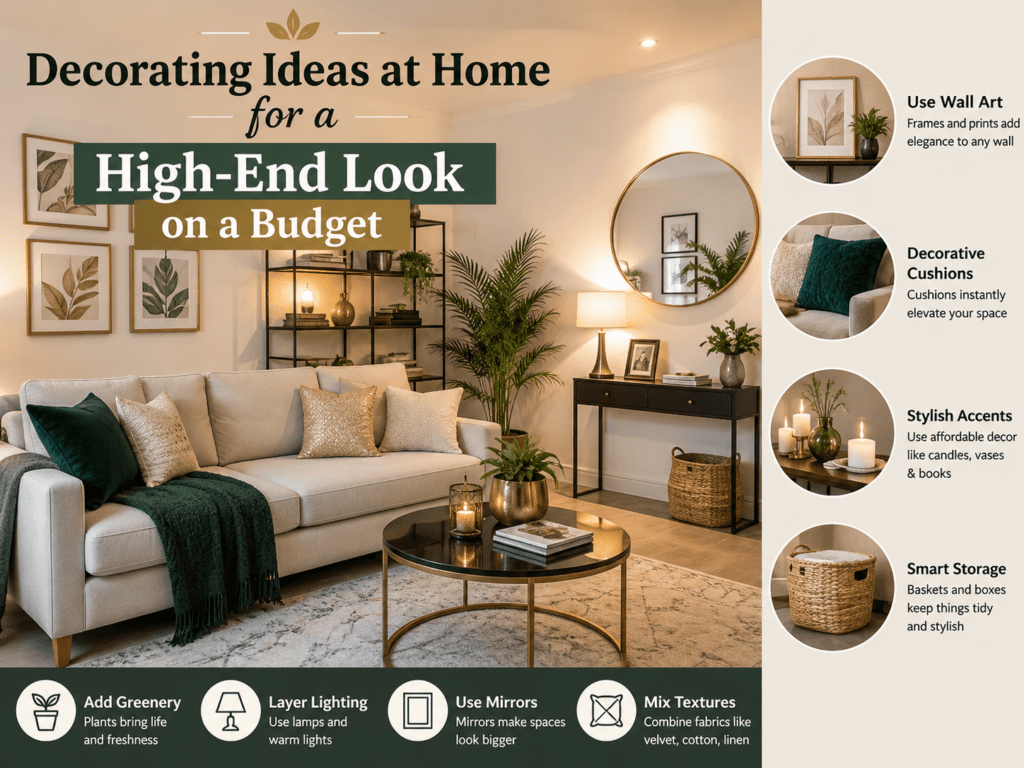

When I am looking for decorating ideas at home, I always come back to a few simple styling building blocks. A luxurious, designer-inspired space is not about buying every expensive item or completely remodeling a room. It is about creating intention through contrast, repetition, artwork, and natural materials.
These are easy, budget-friendly decorating ideas at home that create a major visual impact without making your space feel overdone. Whether your style is bright and airy, dark and moody, casual and earthy, or modern and sleek, these principles help a room feel more layered, polished, and pulled together.
1. Create Depth With Intentional Contrast
The first thing I look for when styling a room is contrast. Without it, even a beautiful room can feel flat because everything starts to blend together. Contrast gives each item a chance to stand out and gives the entire room more definition.
For example, if you have a dark sofa, choose lighter pillows and throws so they do not disappear into the upholstery. In a light-filled room, add a few darker accents to break up all of the white or beige. That might be black dining chairs, dark wood frames, a charcoal vase, or a deep-toned pillow.
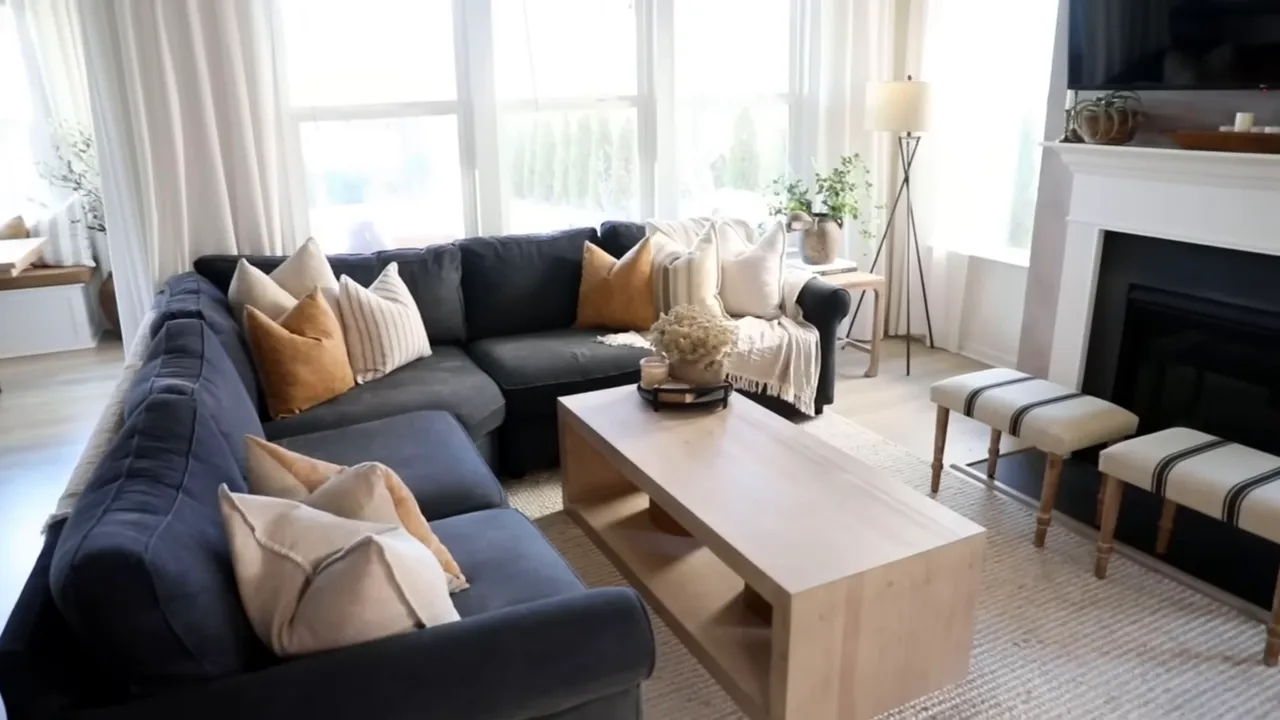
My dining area is a great example of this principle. The table is light wood, the walls and curtains are light, and the bench cushion is a light faux leather. Dark chairs were important because they gave the room the contrast it needed. If the chairs had also been light wood, the entire space would have blended together.
These decorating ideas at home work in the opposite direction too. If you love a darker, moodier room, bring in lighter accent pieces to highlight the darker furniture. A light rug, cream pillows, pale artwork, or warm wood can make a dark room feel rich rather than heavy.
Mixing Wood Tones Adds Character
Yes, you can absolutely mix wood tones. In fact, I think it makes a room feel more collected and layered. In our upstairs game room, I paired lighter wood pieces with darker wood accent chairs and artwork frames. The darker woods help define the room and tie the details together.
The key is balance. Avoid filling every surface with wood. Mix in linen, leather, woven fibers, stone, metal, and soft textiles so the room has variety. Contrast is not only about color. It can also come from texture, finish, material, scale, and shape.
2. Repeat Items for a Styled, Cohesive Room
Repetition is one of my favorite decorating ideas at home because it is so simple, yet it immediately makes a space feel intentional. Repeating a material, shape, product, or color creates visual rhythm. It can also create symmetry, which is one of those tried-and-true design tricks that feels naturally pleasing.
I often style decorative items in groups of three, but repetition can also mean using two related pieces with different heights or repeating the exact same item several times.
- Use a tall storage basket and a shorter basket together in an empty corner.
- Group planters in varying sizes on a patio or beside an indoor window.
- Place a larger vase beside a smaller vase on a dining table or console.
- Use matching frames or picture sconces in a row for a larger-scale look.
- Repeat wall hooks to add vertical storage while keeping the wall polished.
- Place matching baskets underneath a coffee table for attractive hidden storage.
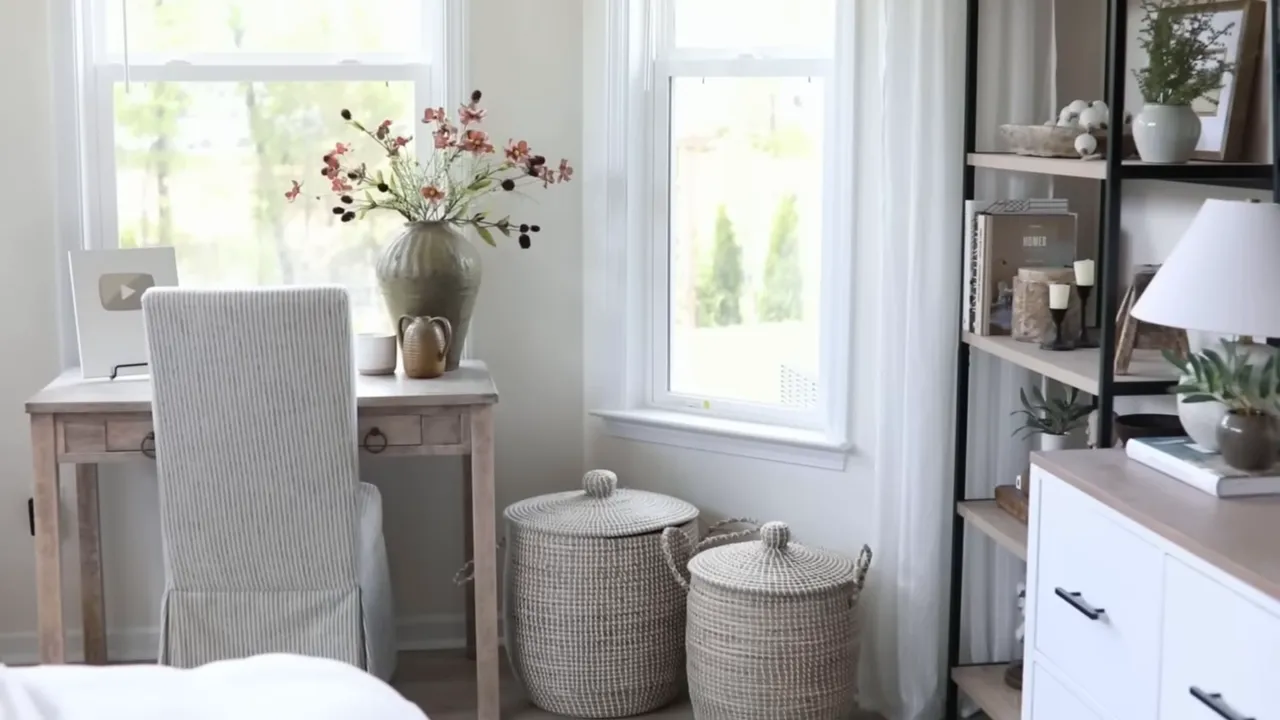
Two baskets in different heights are a perfect example. They fill a blank corner, provide storage, add texture, and look much more thoughtful than one basket sitting by itself. Woven materials are especially helpful in white or neutral rooms because they add warmth and subtle contrast.
Planters work the same way. Grouping similar pots in varied heights makes an outdoor patio feel whimsical and layered. Indoors, a group of planters can bring life to an awkward corner without needing more furniture.
Use Books as Styling Tools
Books instantly bring in a cozy, homey feeling. Use them on shelves, coffee tables, bedside tables, or consoles to add height and dimension. A horizontal stack can act as a little riser for a plant, bowl, or small object. A few upright books can also create new lines and structure on an open shelf.
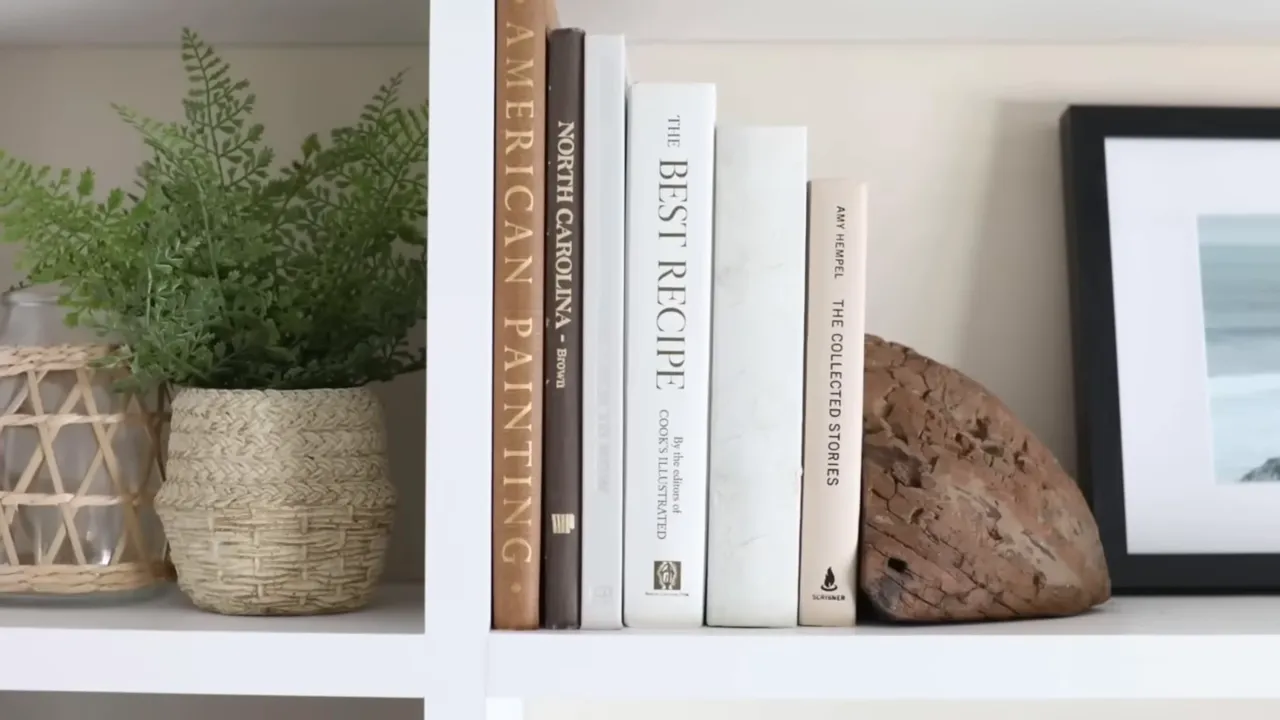
Small repeated choices like this are what make decorating ideas at home feel elevated. You are not just filling a shelf. You are building layers, varying the heights, and giving the eye a few intentional moments to land on.
3. Let Artwork Set the Mood
If you want a room to feel high-end, do not skip artwork. Artwork can set the mood for the entire space and help solidify the direction you are going with your design. Furniture matters, of course, but art often delivers that final exclamation point.
I love a casual, earthy feeling at home, so I gravitate toward landscapes, vintage-inspired images, rolling hills, fields, and water scenes. Those images create a calm connection to nature and reinforce the relaxed atmosphere I want in a room.
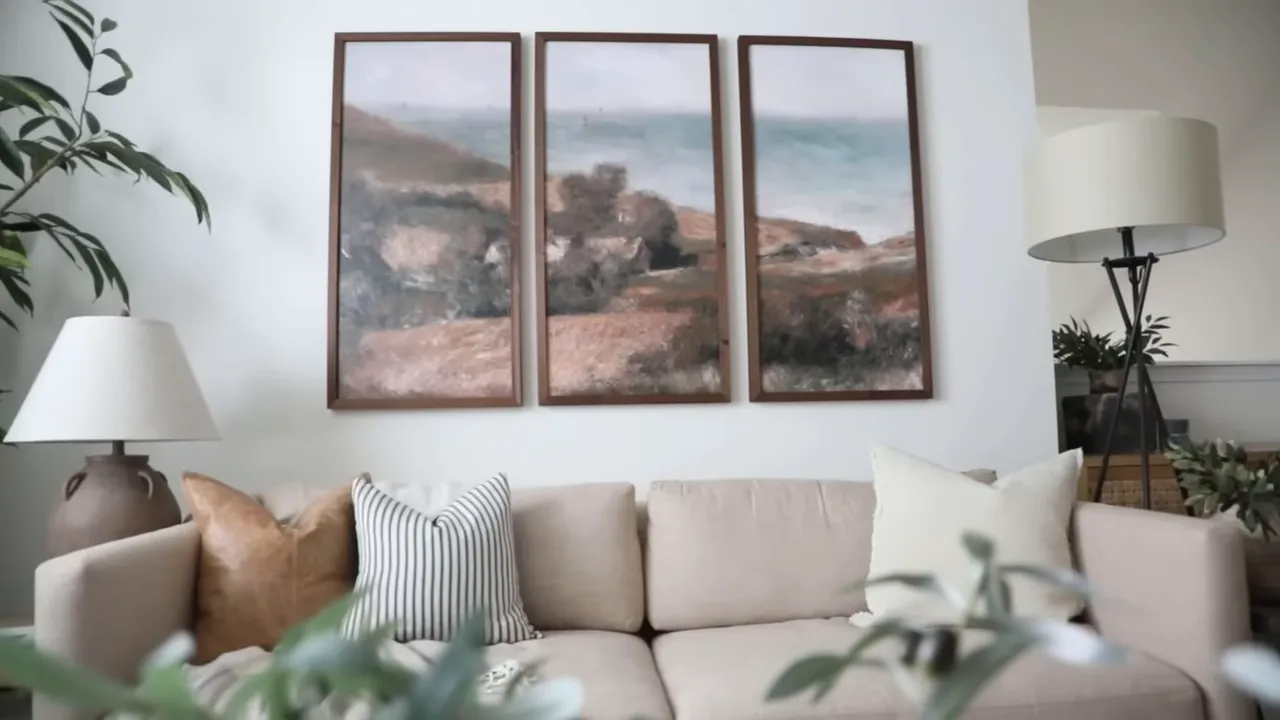
Think about the feeling you want before choosing art:
- Casual and earthy: landscapes, beaches, botanical images, fields, or vintage scenes.
- Modern and sleek: abstract art, geometric forms, or high-contrast photography.
- Colorful and expressive: artwork that pulls out and emphasizes your room’s color palette.
- Travel-inspired: a large framed map or photography from meaningful places.
When you are using these decorating ideas at home, consider the art’s color, imagery, frame, and scale. All of those details affect the room. Large art does not have to be expensive either. Affordable store finds and printable digital downloads can make a major difference once they are printed and framed well. For an accessible option, try custom framing from Smallwoods for oversized printed pieces.
4. Add Small Touches of Natural Stone and Marble
Natural stone and marble are common in luxury hotels and spas, which is exactly why they can make a home feel a little more elevated. Marble is timeless, classic, and beautiful, but you do not have to spend thousands on countertops, tile, or a full slab installation to get the effect.
Instead, use smaller stone and marble decor pieces. This is one of the easiest decorating ideas at home because one little tray or bowl can instantly give a surface more weight and polish.
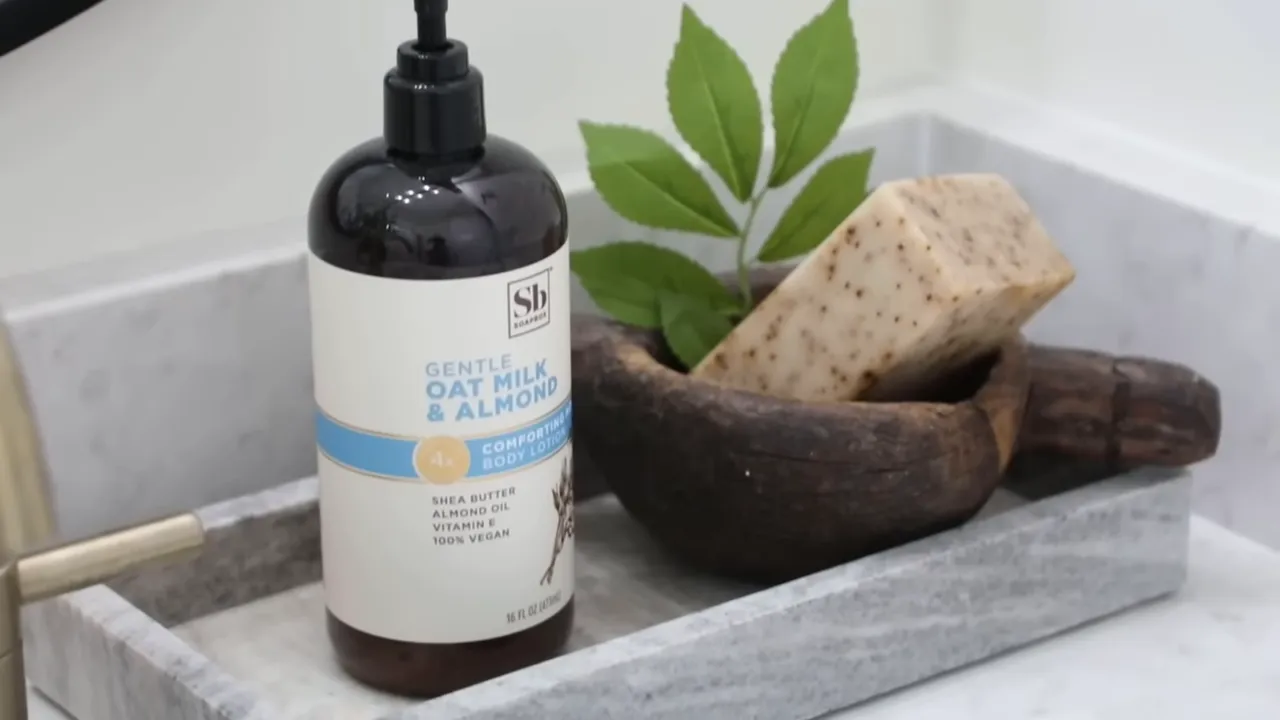
Try adding stone or marble through:
- A tray on a bathroom vanity
- Coasters on a coffee table
- A marble bowl on a stack of books
- A stone catchall for jewelry or keys
- A small tray beneath candles, flowers, or bathroom essentials
I personally prefer marble as an accent because it can feel a little cold when it takes over a casual, comfy room. A few repeated marble details scattered throughout the home still give you that naturally luxurious look while keeping everything warm and livable.
If your style is more modern, sleek, and architectural, you may want stone to play a bigger role. Travertine coffee tables, stone side tables, and marble console tables are all beautiful focal pieces. But for a budget-friendly approach, stick with trays, bowls, coasters, and smaller decor accents.
Pulling These Decorating Ideas at Home Together
The most successful rooms are not necessarily the ones with the most decor. They are the ones with purpose. Start with your larger furniture, make sure there is enough contrast, then bring in repetition through practical and decorative pieces. Choose artwork that communicates the mood you want, and finish with a few natural stone accents for that collected, high-end touch.
Keep it simple. Choose items you truly love, vary the heights and materials, and make sure the room has both light and dark moments. These decorating ideas at home are small shifts, but they make a space feel much more intentional.
Frequently Asked Questions
How can I make my home look more expensive without renovating?
Focus on contrast, repeated decor, meaningful artwork, and small marble or stone accents. Light pillows on a dark sofa, matching baskets beneath a coffee table, large-scale art, and a natural stone tray can all create a more polished look without a renovation.
Can I mix light and dark wood furniture?
Absolutely. Mixing wood tones adds depth and variety. Balance the wood with other materials, such as linen, leather, woven fibers, stone, and metal, so the room does not feel overwhelmed by one finish.
What kind of artwork works best in a neutral room?
Choose art that supports the feeling you want. Earthy landscapes and water scenes work beautifully in relaxed neutral spaces, while abstract or geometric pieces create a more modern look. Consider the imagery, color palette, frame, and scale before bringing a piece home.
How do I use repetition without making a room look too matching?
Repeat related items while varying their scale or height. Pair a large basket with a smaller one, style two similar planters in different sizes, or use a tall and short vase together. This keeps the look cohesive while still feeling layered and natural.
May be you like
DIY Screen Printing for Home Decor: Beginner’s Guide 2026


